Bloodwork Reference: What to Test, When, and How to Read It
A complete reference for every blood panel relevant to PED use, what each marker measures, normal vs. on-cycle interpretation, timing guidance, and when to act on results.
- Identify every blood marker relevant to PED use and what it measures
- Interpret on-cycle and post-cycle results in context rather than against general population ranges
- Know exactly when to draw blood relative to cycle phases for meaningful data
- Determine when a result warrants action versus observation
- Understand how to access testing and what to ask a physician
On this page
Why Bloodwork Is Non-Negotiable
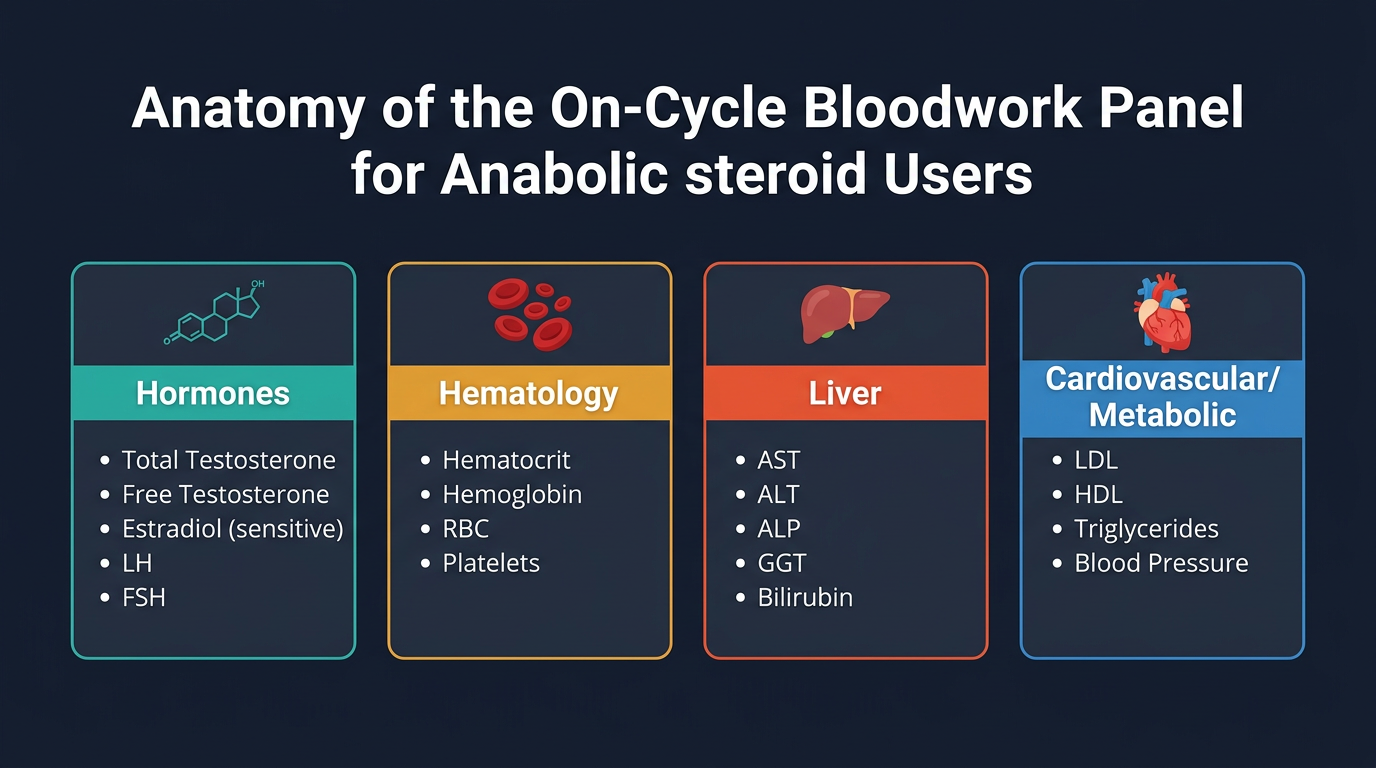
No compound profile, no anecdote, no AI tool can tell you what is happening inside your body. Only blood tests can. The markers described below change in predictable and unpredictable ways during PED use, some silently and dangerously (hematocrit creep, lipid depression), some with obvious symptoms, and some in idiosyncratic patterns that only a baseline comparison can reveal. Consistent, well-timed bloodwork is the only objective feedback loop available to anyone who uses performance-enhancing compounds.
This reference page covers every panel with clinical relevance to PED use. Not every user needs every panel at every draw, the sections below indicate which markers are highest priority and which are relevant only to specific compound classes.
Testing Timeline
| Draw | Timing | Purpose |
|---|---|---|
| Baseline | 4–6 weeks before first cycle, off all compounds 8+ weeks | Establish personal normal ranges; cannot be retroactively added |
| Mid-cycle | Week 4–6 of a 12+ week cycle (after steady state) | Catch emerging problems while there is time to act; verify estradiol management |
| Pre-PCT | 1–2 weeks before PCT start | Verify exogenous levels are sufficiently cleared before initiating SERM |
| PCT week 4 | 4 weeks into PCT | Assess HPTA restart progress; monitor LH/FSH recovery |
| Post-recovery | 8–12 weeks after PCT ends | Confirm full hormonal recovery; benchmark for future cycles |
Timing note: For long-ester cycles (Enanthate, Cypionate), draw mid-cycle bloods no earlier than week 4–5 to ensure saturation has been reached. Drawing before this point will show lower-than-representative levels. For an accurate trough reading, draw just before the next scheduled injection.
Hormone Panel
Total Testosterone
What it measures: All circulating testosterone, both SHBG-bound, albumin-bound, and free testosterone fractions combined.
Reference range (males): ~300–1000 ng/dL (laboratory-specific)
On-cycle interpretation: Expect supraphysiological values (2,000–5,000+ ng/dL depending on dose). The absolute value matters less than managing downstream effects (estradiol, hematocrit).
Post-cycle / recovery: Rising total testosterone toward your personal baseline, in concert with rising LH and FSH, confirms HPTA restart. Persistent low total testosterone (below 400 ng/dL) at 8–12 weeks post-PCT with still-suppressed LH/FSH indicates poor recovery.
Act if: Post-PCT total testosterone remains below 400 ng/dL at 12 weeks with low LH/FSH, refer to endocrinology.
Free Testosterone
What it measures: The biologically active, unbound fraction of testosterone (~2–3% of total in healthy males). Modulated inversely by SHBG.
Reference range: ~50–210 pg/mL (assay-dependent; direct assay preferred over calculated)
Clinical relevance: Useful when total testosterone appears normal but symptoms of androgen deficiency persist, elevated SHBG can make total T look adequate while free testosterone is functionally insufficient. Some compounds (notably Mesterolone / Proviron and Masteron) lower SHBG and increase the free testosterone fraction without raising total levels.
SHBG (Sex Hormone-Binding Globulin)
What it measures: The primary binding protein for sex hormones in blood; modulates free testosterone availability.
Reference range: ~10–57 nmol/L
On-cycle: Oral 17-alpha-alkylated compounds (Anavar, Winstrol, Dianabol) markedly suppress SHBG, increasing free hormone fractions. Some injectables (Masteron, Primo) also lower SHBG modestly. Very high SHBG (sometimes seen post-cycle) can paradoxically reduce available free testosterone even when total testosterone is recovering.
Estradiol (E2)
What it measures: The primary oestrogen in males, produced mainly via aromatization of testosterone and other androgens.
Reference range: ~10–40 pg/mL (male); functional optimum often cited as 20–35 pg/mL
Assay note: Use a sensitive assay (“Estradiol, Sensitive” or LC-MS/MS), standard immunoassays are poorly calibrated for male ranges and frequently return falsely elevated results.
On-cycle with aromatizing compounds: Elevated estradiol (>50–60 pg/mL) can cause water retention, gynecomastia, mood instability, and libido changes. Requires AI if symptomatic.
Over-suppressed estradiol (<10–15 pg/mL): Common from excessive AI use. Causes joint pain, dry skin, low libido, mood depression, impaired lipids profile, and disrupted nitrogen retention. More dangerous in practice than mild elevation.
Act if: >60 pg/mL with symptoms → add or adjust AI. <15 pg/mL on AI → reduce or hold AI.
LH and FSH
What they measure: Pituitary gonadotropins that signal the testes to produce testosterone (LH) and sperm (FSH).
Reference range: LH 1.7–8.6 IU/L; FSH 1.5–12.4 IU/L
On-cycle: Near-zero is expected and normal, exogenous androgens suppress the HPTA via negative feedback. Zero LH/FSH during a cycle is not a problem; it is confirmation of expected suppression.
Post-cycle / recovery: Rising LH and FSH are the primary indicators that the HPTA is restarting. SERMs (Tamoxifen, Clomiphene) accelerate this by blocking oestrogen receptors in the hypothalamus and pituitary.
Act if: LH <1.0 IU/L at 8–12 weeks post-PCT with persistent low total testosterone → medical evaluation for prolonged suppression.
Prolactin
What it measures: A pituitary hormone that, at elevated levels in males, suppresses LH and FSH and can cause gynecomastia and sexual dysfunction.
Reference range: 2–18 ng/mL (male)
Relevance: 19-nor compounds (Nandrolone, Trenbolone, Trestolone) activate prolactin pathways and can raise prolactin significantly, independent of estradiol. Elevated prolactin from these compounds is a distinct issue from aromatization-driven gyno and is managed with Cabergoline (a dopamine agonist), not an AI.
Act if: Prolactin >25 ng/mL, consider Cabergoline 0.25 mg twice weekly. >40 ng/mL, rule out prolactinoma with MRI if not clearly compound-related.
Metabolic and Hematology Panels
CBC: Complete Blood Count
| Marker | Reference range | On-cycle relevance |
|---|---|---|
| Hemoglobin | 13.5–17.5 g/dL | Rises with androgens; >18.5 g/dL warrants attention |
| Hematocrit | 38–50% | Most monitored hematology marker; target <52% on cycle |
| RBC | 4.5–5.9 M/µL | Rises proportionally with hematocrit |
| WBC | 4.5–11.0 K/µL | Generally unaffected by AAS |
| Platelets | 150–400 K/µL | Generally unaffected |
Hematocrit on cycle: Androgens stimulate erythropoiesis via EPO upregulation and direct bone marrow effects. Hematocrit elevation is universal with androgen use and dose-dependent. Above 52–54%, blood viscosity increases meaningfully, raising thrombotic risk. Above 55%, risk is clinically serious, therapeutic phlebotomy (blood donation or medically supervised blood removal) is the standard intervention.
Lipid Panel
| Marker | Desirable range | On-cycle concern |
|---|---|---|
| Total cholesterol | <200 mg/dL | Useful context but less actionable than HDL/LDL |
| HDL | >40 mg/dL (male); ideally >50 | Most impacted by AAS, oral 17-aa compounds reduce 30–50% |
| LDL | <130 mg/dL | Typically rises on cycle; cardiovascular risk marker |
| Triglycerides | <150 mg/dL | Often elevated with poor diet; mildly affected by AAS |
Oral compounds and lipids: 17-alpha-alkylated steroids (Dianabol, Anadrol, Anavar, Winstrol, Superdrol, Turinabol) cause the most severe lipid disruption of any compound class. HDL depression of 30–50% from baseline is common during oral cycles.
Injectable compounds: Less severe HDL depression, typically 10–25% from baseline depending on compound and dose. Trenbolone is the most lipid-suppressive injectable due to its high androgenicity and lack of aromatization (oestrogen has a cardioprotective role in lipid metabolism).
Mitigation: High-dose fish oil (3–5g EPA+DHA daily), regular cardiovascular exercise, adequate dietary fibre. No pharmacological intervention fully counteracts androgen-induced HDL suppression.
Liver Panel
| Marker | Reference range | Notes |
|---|---|---|
| ALT (SGPT) | 7–56 U/L | Most liver-specific; key marker for hepatocellular injury |
| AST (SGOT) | 10–40 U/L | Also present in muscle; elevated by intense training, draw in rested state |
| GGT | 9–48 U/L | Sensitive to hepatic stress and alcohol; useful context marker |
| Bilirubin (total) | 0.1–1.2 mg/dL | Elevated with significant hepatic dysfunction or haemolysis |
| ALP | 44–147 U/L | Bone and liver; less specific for hepatocellular damage |
17-alpha-alkylated compounds and the liver: Anadrol, Dianabol, Halotestin, Superdrol, Epistane, and Winstrol all produce dose-dependent ALT/AST elevation. Mild elevations (1–2× ULN) are common during oral cycles. Elevations above 3× ULN warrant prompt action; >5× ULN requires cessation and medical evaluation. Any jaundice, right upper quadrant pain, or dark urine with elevated bilirubin is a medical emergency.
TUDCA (tauroursodeoxycholic acid): Has genuine clinical evidence for reducing hepatotoxic compound-induced enzyme elevation. Recommended at 250–500 mg/day alongside any oral 17-alpha-alkylated compound.
Act if: ALT/AST >3× ULN, cease the oral compound and retest in 2–4 weeks. Jaundice or right upper quadrant pain with elevated bilirubin, seek emergency medical evaluation.
PSA (Prostate-Specific Antigen)
Reference range: Age-adjusted; <2.5 ng/mL for men under 50
Relevance: Exogenous androgens stimulate prostate tissue and raise PSA modestly (0.5–1.5 ng/mL above baseline is typical on cycle). Rapid rise, very high absolute values, or urinary symptoms require urological evaluation. All users over 40, and younger users with a family history of prostate cancer, should include PSA in their baseline panel.
Thyroid Panel
Markers: TSH, free T3, free T4
Relevance: Thyroid function is not directly impacted by most anabolic androgens at moderate doses, but baseline thyroid status is worth establishing because undiagnosed hypothyroidism affects energy, recovery, body composition, and metabolism in ways that are easily misattributed to suboptimal cycle response. Growth hormone secretagogues like MK-677 and Ipamorelin can affect thyroid axis function over time, making a baseline especially relevant for users exploring peptides and GH compounds.
Full Panel Recommendations by Scenario
Baseline (Before First Cycle)
- Hormone panel: Total testosterone, free testosterone, SHBG, estradiol (sensitive), LH, FSH, prolactin
- CBC with differential
- Comprehensive metabolic panel (kidney function: creatinine, BUN, eGFR; electrolytes; glucose)
- Full lipids panel (fasted)
- Liver enzymes: ALT, AST, GGT, bilirubin, ALP
- PSA (if age >35 or relevant family history)
- Thyroid: TSH, free T3, free T4
Mid-Cycle (Week 4–6)
- Total testosterone (confirms compound activity)
- Estradiol (sensitive), critical for AI management
- Prolactin (if using 19-nor compounds: Nandrolone, Trenbolone)
- CBC : hematocrit and hemoglobin
- Liver enzymes: ALT, AST (especially if using any oral compounds)
- Lipids (fasted)
PCT Completion + Recovery (8–12 weeks post-cycle)
- Full hormone panel: Total testosterone, free testosterone, SHBG, estradiol, LH, FSH, prolactin
- CBC
- Full lipids
- Liver enzymes (if orals were used)
- PSA (if elevated mid-cycle)
How to Access Testing
Private / direct-to-consumer labs: Services like Ulta Lab Tests, Walk-In Lab, and Request A Test (US) allow self-ordered panels without a physician. These typically cost $50–$150 for comprehensive panels and report against standard reference ranges. Medichecks and PrivateBloodTests.co.uk serve UK/EU users similarly.
Telemedicine TRT clinics: Many men’s health clinics (Defy Medical, Marek Health) work with patients using performance-enhancing compounds and will order and interpret bloodwork with harm-reduction awareness.
GP / primary care: Increasingly viable in most countries. Frame requests around monitoring hormone levels and metabolic health. You are not required to state a reason when requesting a hormone panel. Order the specific tests you need.
What to ask for: “I would like a comprehensive hormone panel including testosterone total and free, SHBG, estradiol sensitive, LH, FSH, prolactin, plus a CBC, complete metabolic panel, fasted lipid panel, and liver function tests.”
Timing your draw: Fast 8–12 hours before drawing lipids and glucose. Draw in the morning for baseline total testosterone (diurnal peak). Draw at trough (just before next injection) for the most conservative mid-cycle values.
Quick Reference: When to Act on Results
| Marker | Observe | Investigate / Adjust | Stop / Seek Care |
|---|---|---|---|
| Estradiol | 30–50 pg/mL, asymptomatic | >50 or <15 pg/mL | Severe gynecomastia symptoms + >80 pg/mL |
| Hematocrit | 50–52% | >52%, consider phlebotomy | >55%, therapeutic phlebotomy urgent |
| ALT | 1–2× ULN | 2–3× ULN, reduce oral dose | >3× ULN or jaundice/pain |
| HDL | 30–40 mg/dL | <30 mg/dL, review compound selection | <25 mg/dL sustained |
| Prolactin | 18–25 ng/mL | >25 ng/mL, consider Cabergoline | >40 ng/mL + symptoms |
| LH post-PCT | Rising from baseline | <1.0 IU/L at week 4 of PCT | <1.0 IU/L at 8 weeks post-PCT |
| PSA | +0.5–1.0 above baseline | +1.5–2.0 above baseline | Rapid rise or urinary symptoms |
Selected references for major clinical, mechanistic, or protocol claims. Community-practice points may not be cited individually.